Wondering whether Richmond city or the nearby suburbs will fit your life better? It is a common question, especially when home values across Richmond, Henrico, and Chesterfield are closer than many buyers expect. The right choice often comes down to how you want to live day to day, what kind of home you prefer, and how monthly costs line up with your goals. Let’s break it down.
Richmond City vs. Suburbs at a Glance
If you are comparing Richmond city with nearby suburbs like Henrico and Chesterfield, the biggest differences are not always in headline home values. Recent Census estimates put median owner-occupied home values at $353,000 in Richmond, $359,200 in Henrico, and $366,000 in Chesterfield. On paper, that is a fairly tight range.
What changes more meaningfully is the housing mix, commute pattern, and tax picture. Richmond is more urban and renter-heavy, while Henrico and Chesterfield have higher owner-occupancy rates and a more suburban ownership profile. That often shapes the type of home you will find and the lifestyle that comes with it.
Here is a quick snapshot:
| Area | Median Home Value | Owner-Occupied Rate | Mean Commute | Real Estate Tax Rate |
|---|---|---|---|---|
| Richmond | $353,000 | 43.5% | 21.7 min | $1.20 per $100 |
| Henrico | $359,200 | 64.5% | 22.6 min | $0.83 per $100 |
| Chesterfield | $366,000 | 76.7% | 26.4 min | $0.89 per $100 |
Housing Choices Feel Different
Richmond offers more housing variety
Richmond has the most varied housing stock of the three. The city’s 2022 ACS housing profile shows that 46.3% of housing units are detached single-family homes, while the rest includes attached homes, duplexes, small multifamily buildings, and larger apartment or condo buildings. It also reports that 56.8% of occupied units are renter-occupied.
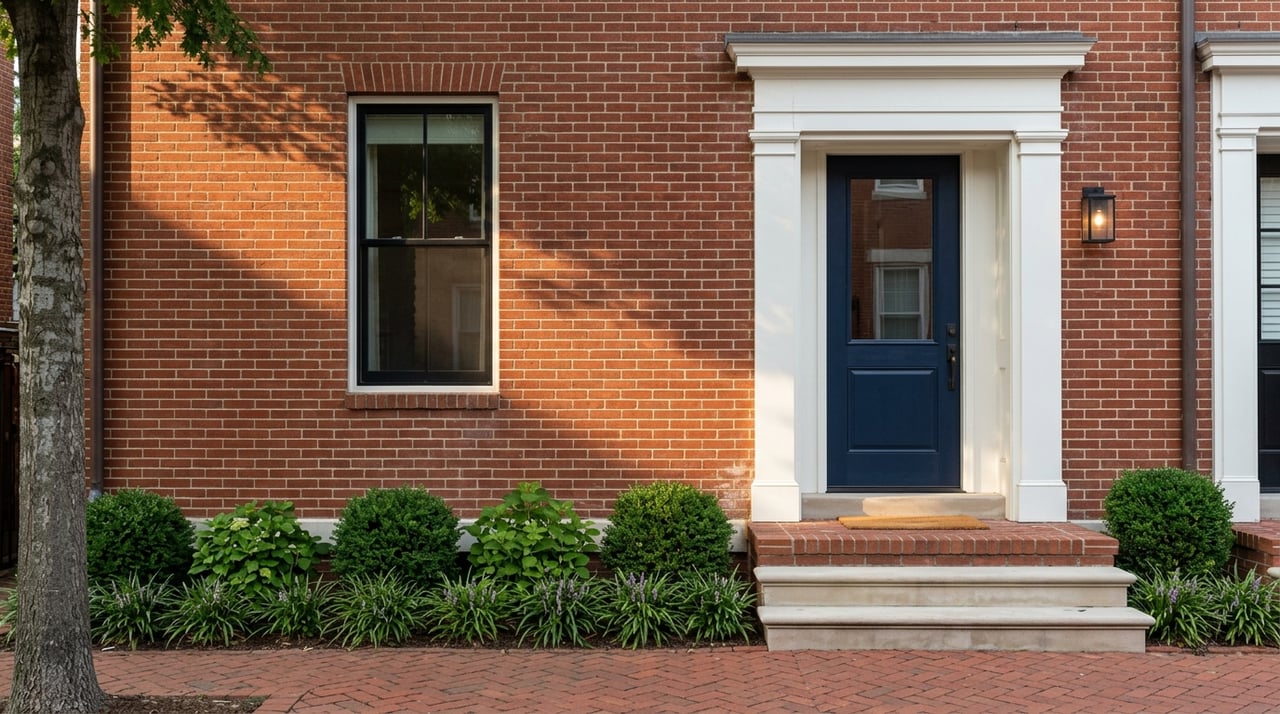
In practical terms, that means you are more likely to find condos, rowhouses, duplexes, and other attached housing options in the city. If you want lower-maintenance living, a more urban setting, or something with a distinct architectural feel, Richmond may give you more to choose from.
Henrico leans toward a middle ground
Henrico still has a predominantly single-family housing profile, but it can offer a broader mix than many people expect. Its 2025-2030 Consolidated Plan says 74.4% of residential units are single-unit structures, and 63.8% of those are detached. That leaves room for townhomes and some multifamily housing in different parts of the county.
For many buyers, Henrico feels like a bridge between city access and suburban living. You may find neighborhoods and home styles that balance convenience, more traditional layouts, and easier access to both urban and suburban destinations.
Chesterfield is more single-family focused
Chesterfield is the most single-family-oriented of the three. Its Consolidated Plan says 78% of units are detached homes and another 5% are townhomes. It also notes that single-family homes account for 97% of owner-occupied homes in the county.
If your priority is a more traditional suburban ownership pattern, Chesterfield is often the clearest fit. Buyers who want a detached home and are comfortable with a more car-oriented routine often focus their search here.
Monthly Costs Can Shift the Decision
When prices are close, ongoing costs matter even more. One of the clearest differences in this comparison is property tax. Richmond’s real estate tax rate is $1.20 per $100 of assessed value, compared with $0.83 in Henrico and $0.89 in Chesterfield.
That gap can have a real impact on your monthly budget. Even if two homes are similarly priced, the carrying cost may be noticeably different based on location alone. If you are deciding between city and suburb, this is one of the most important numbers to review early.
Commute and Transportation Matter
Richmond supports shorter trips and more options
Richmond has the shortest mean commute in this group at 21.7 minutes. Census data also shows that 4.3% of workers use public transportation, 4.3% walk, and 14.3% work from home. Those numbers reflect a market where driving is common, but not the only practical option.
The city is also where transit is most visible. GRTC’s Pulse BRT runs between Willow Lawn and Rockett’s Landing, and the broader route network serves many city and close-in destinations. If you want the possibility of walking, transit, or shorter trips built into your routine, Richmond often stands out.
Henrico keeps you close to the core
Henrico’s mean commute is 22.6 minutes, which is still close to Richmond’s. The county notes access to GRTC bus service, Amtrak, and Richmond International Airport, though most residents drive alone or carpool and fewer than 2% walk, bike, or use public transportation to get to work.
That makes Henrico a practical choice if you want relatively easy access to the city but expect driving to remain your main way of getting around. For many buyers, that balance is the appeal.
Chesterfield is more car-oriented
Chesterfield’s mean commute is 26.4 minutes, the longest of the three. Its planning documents also say nearly 40% of residents commute more than 30 minutes, and the county has a large number of both inbound and outbound commuters.
The county is working to improve connections to schools, libraries, jobs, retail, transit, and trails. Still, for now, Chesterfield is the most road-dependent option in practical day-to-day terms.
Lifestyle and Amenities Come in Different Forms
Richmond delivers urban access
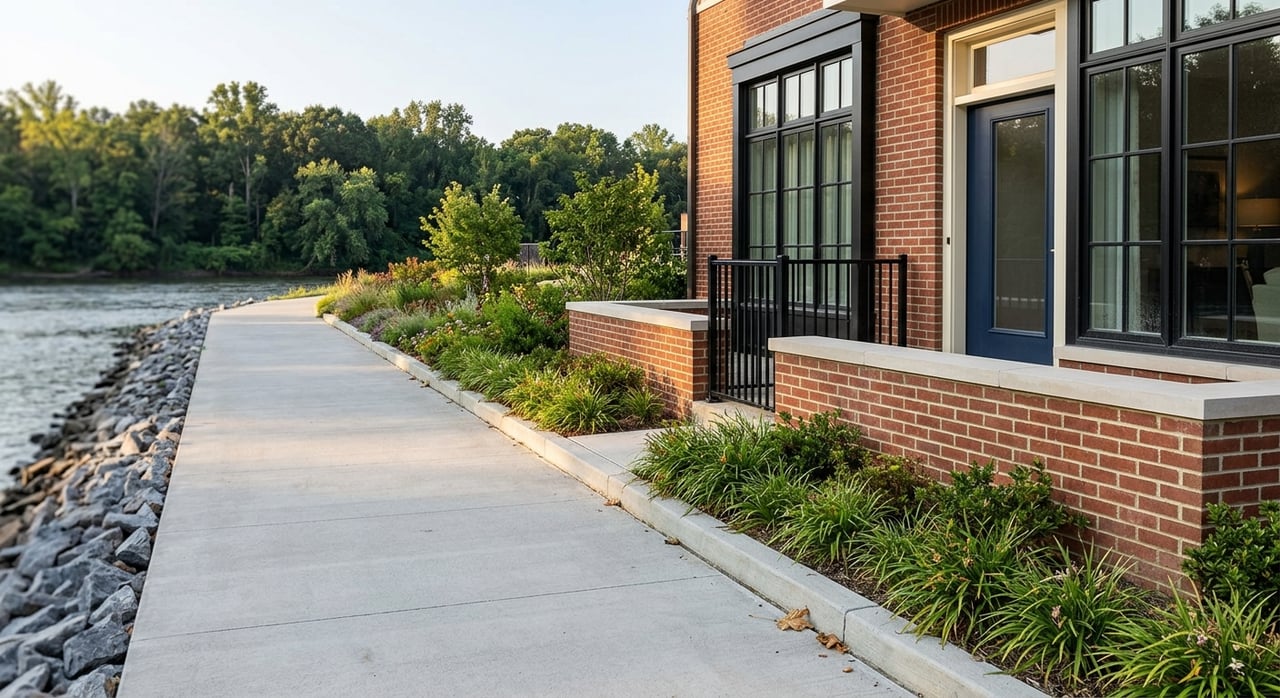
Richmond’s lifestyle advantage is its concentration of urban amenities. The James River Park System runs through the city along both sides of the James River, and the downtown riverfront area includes a dense mix of museums, dining, and performance venues.
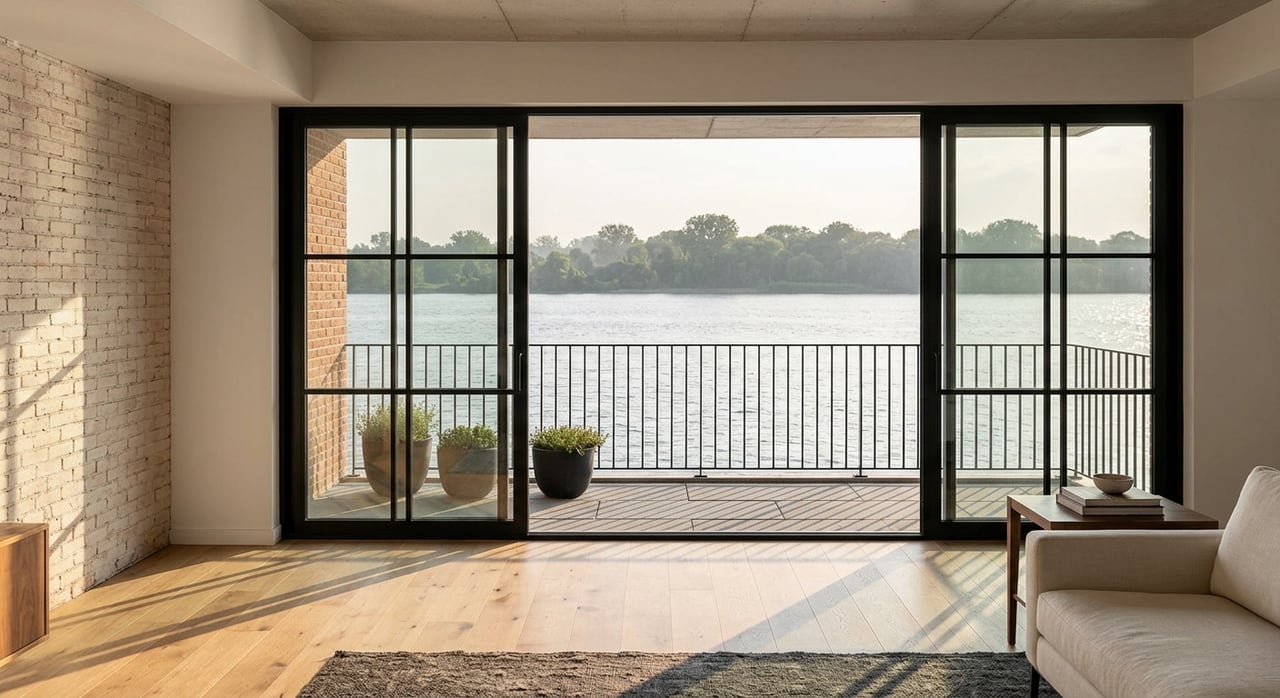
If you picture yourself close to river access, restaurants, and neighborhood activity, the city may feel like the best fit. This can be especially appealing if lifestyle matters as much to you as square footage.
Henrico and Chesterfield package amenities differently
The suburbs are not short on amenities. Henrico’s parks and recreation system includes parks, facilities, athletic complexes, and historic sites, and the county notes more than 260 miles of sidewalk with additional sidewalk and multi-use trail mileage planned. The Virginia Capital Trail also runs through Henrico.
Chesterfield describes a network of parks, athletic complexes, historic sites, trails, and conservation areas. In both counties, amenities often come in a more spread-out format, with driving still playing a bigger role in how you use them.
Schools and Daily Routine
If schools are part of your decision, it helps to think in terms of scale, attendance zones, and routine rather than trying to rank districts in a general blog post. Richmond Public Schools lists 53 campuses and regional programs. Henrico County Public Schools says it has 74 schools and program centers, while Chesterfield County Public Schools reports 67 schools and more than 64,000 students.
Those differences can shape logistics and, over time, the resale audience for a home. If schools are central to your move, it is worth reviewing the specific attendance zone and the daily drive pattern tied to any home you are considering.
Resale Potential Depends on Buyer Match
A smart purchase is not just about what works for you now. It is also about who is likely to want that home later. In Richmond, the mix of housing types and higher renter share suggest demand for condos, townhomes, and urban-lifestyle properties. In Henrico and Chesterfield, higher owner-occupancy rates and more single-family housing suggest a broader pool for suburban detached homes.
That does not guarantee resale performance on any one property. It does, however, offer a helpful framework. In my experience, the best decisions usually happen when the home type, location, and likely future buyer all line up.
Growth Trends Add Another Layer
Population growth since the 2020 census also shows different demand patterns. Richmond city is up 4.7%, Henrico is up 2.3%, and Chesterfield is up 9.1%. That stronger growth in Chesterfield helps explain why demand can stay firm even as commute times run longer.
Chesterfield’s own housing plan also says housing production has not kept pace with household growth and that vacancy rates have fallen. At the same time, the county reports a 2023-2024 median single-family home sales price of $413,278 and says that price is unaffordable to median-earning full-time workers in every major employment industry without additional household income. So while demand may support resale, affordability can be tighter than broad median home value figures suggest.
How to Choose the Best Fit
If you are still torn, start with the questions that shape daily life most:
- Do you want a condo, townhome, rowhouse, or detached home?
- How much does commute time matter to you?
- Do you want transit or walkability to be a real option?
- Are you comfortable paying a higher tax rate for a more urban location?
- Do you prefer amenities clustered close together or spread across a suburban setting?
- When you sell later, who is the most likely buyer for the kind of home you want now?
Richmond often fits buyers who value urban form, transit access, riverfront or neighborhood lifestyle, and a wider mix of attached housing. Henrico often fits buyers who want a middle ground between city access and suburban living. Chesterfield often fits buyers who prioritize detached homes, suburban growth, and a more drive-oriented routine.
If you want help sorting through those tradeoffs in real neighborhoods, that is where local guidance makes a difference. As a lifelong Richmond resident who works across Richmond and the close-in suburbs, I help clients look beyond broad averages and focus on the block-by-block fit that matters most. When you’re ready to talk through your move, connect with Steven Moss.
FAQs
How do Richmond and nearby suburbs compare on home prices?
- Median owner-occupied home values are fairly close: $353,000 in Richmond, $359,200 in Henrico, and $366,000 in Chesterfield.
How do Richmond and nearby suburbs compare on property taxes?
- Richmond’s real estate tax rate is $1.20 per $100 of assessed value, compared with $0.83 in Henrico and $0.89 in Chesterfield, which can meaningfully affect monthly ownership costs.
What kinds of homes are more common in Richmond versus the suburbs?
- Richmond has a more varied housing mix that includes more attached and multifamily options, while Henrico and Chesterfield are more heavily oriented toward detached single-family homes and townhomes.
Is commuting easier from Richmond than from nearby suburbs?
- On average, yes. Mean commute times are 21.7 minutes in Richmond, 22.6 minutes in Henrico, and 26.4 minutes in Chesterfield.
Does Richmond have better transit access than nearby suburbs?
- Richmond has the most visible transit network in the area, including the GRTC Pulse BRT between Willow Lawn and Rockett’s Landing, while suburban commuting is more car-dependent overall.
Which area may work best for an urban lifestyle in greater Richmond?
- Richmond is often the best fit for buyers who want walkable neighborhood life, river access, transit options, and a wider mix of condos, rowhouses, and urban-style homes.